
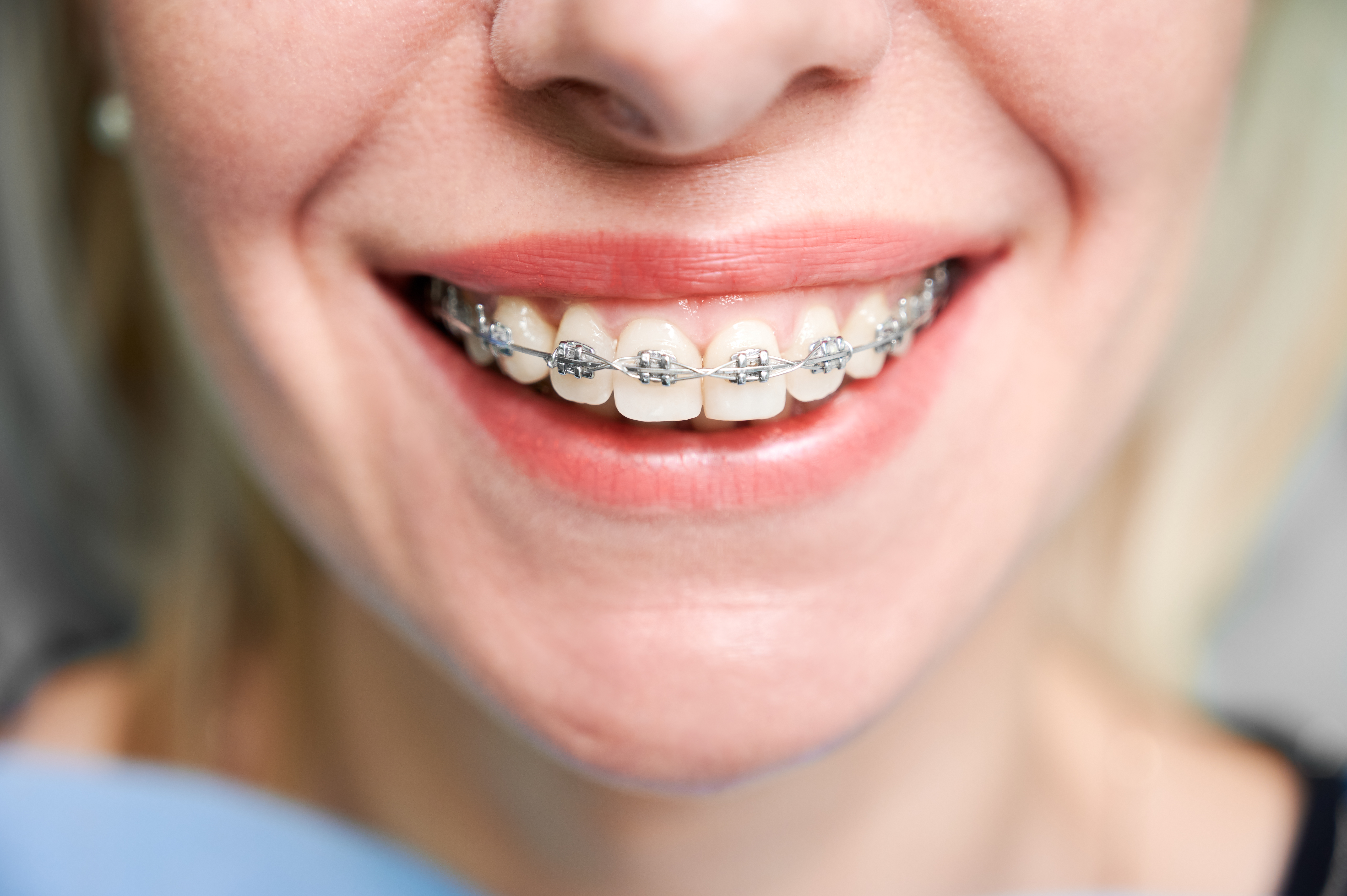
Can You Eat Salad With Braces? Foods to Watch For
If you have recently started orthodontic treatment, you may be wondering, can you eat salad with braces without damaging your brackets or wires? In most cases, salad can remain part of your diet while wearing braces, but the way you prepare and eat it matters. Some raw vegetables, hard ingredients, and crunchy toppings can put unnecessary pressure on orthodontic appliances, so making a few simple adjustments can make salads easier and safer to enjoy.
Braces do not necessarily mean you have to give up all your favorite foods. Instead, you may need to change how certain foods are prepared or eaten. Understanding which salad ingredients require extra care can help you protect your braces while still enjoying a varied diet.
Can You Eat Salad With Braces?
Yes, most people can eat salad with braces. However, some ingredients may need to be modified to make them easier to chew.
Soft lettuce, spinach, cucumber, tomatoes, and other tender ingredients are generally easier to manage. Problems are more likely to occur when a salad contains very hard, raw, or crunchy foods that require significant biting force.
Instead of biting directly into large pieces, you can cut ingredients into smaller pieces. This reduces the amount of pressure placed on brackets and makes the food easier to chew with your back teeth.
Your orthodontist may provide specific dietary instructions based on the type of braces you have and your individual treatment needs.
Can I Eat Salad With Braces Every Day?
If the ingredients are appropriate and prepared carefully, salad can be included regularly in your diet while wearing braces.
Salad can contain a variety of nutritious ingredients, including leafy greens, soft vegetables, protein sources, and other foods that fit comfortably within your orthodontic diet.
The key is not necessarily how often you eat salad but what ingredients you include and how you prepare them.
For example, a salad containing soft lettuce, finely chopped cucumber, tomatoes, and shredded chicken may be easier to eat than one containing large raw carrots, hard croutons, or whole nuts.
Which Salad Ingredients Are Usually Easier to Eat?
Many common salad ingredients can be suitable for people with braces when prepared appropriately.
Soft Lettuce
Tender lettuce leaves are generally easy to chew. If the leaves are large, tearing or cutting them into smaller pieces can make them easier to manage.
Spinach
Fresh spinach can be relatively soft and does not usually require the same biting force as harder vegetables.
Tomatoes
Tomatoes are typically soft enough to eat with braces. Cutting larger tomatoes into smaller pieces can make them easier to chew.
Cucumber
Cucumber can be eaten with braces, especially when it is sliced into thin pieces. Very thick or hard pieces may require more chewing.
Avocado
Soft avocado is generally easy to chew and can be a comfortable addition to a salad.
Shredded Vegetables
Finely shredded vegetables can be easier to eat than large chunks because they require less force to break down.
Soft Protein
Depending on how it is prepared, ingredients such as shredded chicken, tuna, eggs, or other soft protein sources can make a salad more filling without adding excessive crunch.
Which Salad Ingredients Should You Be Careful With?
Not every salad ingredient is equally comfortable when you have braces.
Some foods may be hard enough to damage brackets or place excessive pressure on orthodontic wires.
1. Raw Carrots
Raw carrots can be very firm and crunchy. Instead of adding large raw carrot pieces to a salad, consider using finely shredded carrots or lightly cooked carrots.
2. Hard Croutons
Croutons can be particularly crunchy and may require significant biting force. Hard pieces can potentially place stress on brackets.
If you want additional texture, consider softer alternatives that are easier to chew.
3. Whole Nuts
Whole almonds, walnuts, peanuts, and other hard nuts can be difficult to chew with braces.
If you want nuts in your salad, ask your orthodontist whether smaller or finely chopped options are appropriate for your treatment.
4. Hard Raw Vegetables
Some raw vegetables can be quite firm. Large pieces of broccoli stems, cauliflower, or other hard vegetables may require more pressure when chewing.
Cutting them into small pieces or lightly cooking them can make them easier to eat.
5. Hard Seeds
Certain seeds can be small and hard enough to become trapped around brackets or wires. Depending on the type of braces you have, your orthodontic provider may recommend limiting certain seeds.
How Should You Prepare Salad With Braces?
Preparation can make a significant difference.
Instead of placing large pieces of food into your salad, cut ingredients into smaller, manageable pieces. This allows you to chew more comfortably and reduces the need to bite directly into hard foods.
Consider choosing softer ingredients and removing anything that is particularly hard or crunchy.
You can also lightly cook certain vegetables before adding them to a salad. Cooking can soften vegetables while still allowing you to include them as part of your meal.
The goal is to make the food easier to break down without putting unnecessary pressure on your orthodontic appliances.
Should You Cut Salad Into Small Pieces?
Cutting food into smaller pieces is one of the simplest ways to make eating easier with braces.
Large vegetables may require you to bite directly into them using your front teeth. Smaller pieces can often be placed farther back in the mouth and chewed more comfortably.
This is particularly useful for ingredients such as cucumber, carrots, broccoli, and other firm vegetables.
You do not necessarily have to cut every ingredient into tiny pieces. Focus on foods that are large, firm, or difficult to chew.
Can You Eat Raw Vegetables With Braces?
Some raw vegetables can be eaten with braces, but their texture matters.
Soft or thinly sliced vegetables are generally easier to manage than hard, thick pieces.
For example, finely sliced cucumber may be easier to eat than a large chunk of cucumber. Shredded carrots may also be more manageable than biting directly into a whole raw carrot.
If you are unsure about a particular vegetable, consider how much force you need to bite and chew it. If it requires significant pressure, a softer preparation method may be preferable.
Can You Eat Salad Dressing With Braces?
Most ordinary salad dressings do not pose the same mechanical risk to braces as hard or crunchy ingredients.
However, it is still important to consider the ingredients in the dressing. Some dressings may contain hard seeds, nuts, or other pieces that could become trapped around orthodontic appliances.
After eating, maintaining good oral hygiene is also important because dressings and other food particles can remain around brackets.
Your orthodontic team can provide specific guidance if you have concerns about a particular dressing or ingredient.
Can You Eat Caesar Salad With Braces?
Caesar salad can often be modified to make it more suitable for someone wearing braces.
The lettuce itself is generally not the main concern. Hard croutons are more likely to be problematic because they can be difficult to bite and chew.
If you want Caesar salad during orthodontic treatment, consider removing hard croutons or replacing them with softer ingredients.
You should also cut the lettuce into manageable pieces rather than biting into large leaves.
Can You Eat Salad With Clear Braces?
Clear braces still require care when eating.
Although the brackets may have a different appearance from traditional metal brackets, they remain orthodontic appliances that can be affected by hard or sticky foods.
The same general principle applies: choose manageable food textures, cut firm ingredients into smaller pieces, and avoid unnecessarily hard foods.
If your orthodontist has given you specific dietary instructions for your clear braces, follow those recommendations. Patients who are considering less noticeable orthodontic options can also learn more about clear braces.
What Happens If Food Gets Stuck in Your Braces?
Food getting caught around brackets and wires is common during orthodontic treatment.
Salad ingredients, especially leafy vegetables and small pieces of food, may become trapped around orthodontic components.
This does not necessarily mean that something is wrong with your braces. However, it is important to clean your teeth carefully after eating.
Brush around the brackets and use the cleaning tools recommended by your orthodontic provider. Flossing or using an orthodontic cleaning aid can also help remove food particles from areas that are difficult to reach.
How Do You Clean Your Braces After Eating Salad?
Good oral hygiene is particularly important during orthodontic treatment because brackets and wires create additional places where food particles can collect.
After eating salad, check your teeth and braces for pieces of lettuce, vegetables, or other ingredients.
Brush carefully around each bracket and along the gumline. Pay attention to areas where food tends to accumulate.
Your orthodontic provider may recommend specific brushes, flossing methods, or other cleaning tools to help you maintain good oral hygiene during treatment.
Regular dental care should also continue while you are receiving orthodontic treatment.
What Other Foods Should You Avoid With Braces?
Salad is only one part of your diet. There are several other types of foods that may require caution while wearing braces.
1. Hard Foods
Very hard foods can place excessive pressure on brackets and wires. Examples may include hard candies, ice, and certain hard snacks.
2. Sticky Foods
Sticky foods can cling to brackets and wires, making them difficult to clean. They may also place additional stress on orthodontic components.
3. Chewy Foods
Very chewy foods can pull against brackets and wires. Depending on your treatment, your orthodontist may recommend avoiding particularly tough foods.
4. Foods That Require Strong Biting
Foods that require you to bite forcefully with your front teeth can increase the risk of damaging orthodontic appliances.
When possible, cut these foods into smaller pieces and chew them carefully.
What Should You Do If You Damage a Bracket While Eating Salad?
If a bracket becomes loose or a wire bends while eating, contact your orthodontic provider for guidance.
Do not attempt to repair or remove orthodontic components yourself.
If a wire is causing irritation, your orthodontic team can explain what to do until you can receive professional care.
Keeping your orthodontic provider informed about damaged braces can help prevent a small issue from becoming more complicated.
Tips for Eating Comfortably With Braces
Eating with braces usually becomes easier as you get used to the appliances.
A few simple habits can make meals more comfortable:
Cut hard or firm foods into smaller pieces.
Choose softer ingredients when possible.
Avoid biting directly into very hard foods.
Chew slowly and carefully.
Check your braces after eating.
Clean your teeth and orthodontic appliances thoroughly.
Follow the dietary instructions provided by your orthodontist.
These habits can help reduce unnecessary stress on your braces and make everyday meals easier to manage.
Can You Still Enjoy Your Favorite Foods?
Having braces does not necessarily mean giving up everything you enjoy.
Many foods can still be eaten with simple modifications. Instead of avoiding an entire meal, consider whether the ingredients can be prepared differently.
For example, a crunchy vegetable may become easier to eat when it is shredded or lightly cooked. A hard food may be replaced with a softer alternative.
The important thing is to understand which foods could damage your orthodontic appliances and follow the recommendations provided by your orthodontic team.
When Should You Ask Your Orthodontist About Food?
If you are uncertain about a specific food, asking your orthodontist is always a reasonable option.
Different types of orthodontic appliances and individual treatment plans can come with different recommendations.
You should also contact your orthodontic provider if you experience repeated bracket damage, discomfort while eating, or difficulty maintaining your braces.
Your orthodontic team can give you advice based on your specific treatment and appliances.
Braces Wyoming and Your Orthodontic Care
Adjusting to braces can take some time, particularly when it comes to deciding what foods are comfortable and safe to eat.
Braces Wyoming provides orthodontic care and guidance to help patients understand their treatment and maintain their oral health throughout the process.
If you are unsure whether a particular food is suitable for your braces, discussing your concerns with your orthodontic provider can give you more personalized guidance. You can also learn more about braces treatment and what to expect throughout orthodontic care.
You can also review patient reviews to learn more about the experiences shared by people who have received care from the practice.
Conclusion
So, can you eat salad with braces? In most cases, yes. Salad can remain part of your diet, but you may need to make a few changes to the way you prepare and eat it.
Soft lettuce, spinach, tomatoes, avocado, and finely prepared vegetables are generally easier to manage. Hard carrots, crunchy croutons, whole nuts, and other firm ingredients may require more caution.
Cutting food into smaller pieces, choosing softer ingredients, chewing carefully, and maintaining good oral hygiene can make eating salad more comfortable while helping protect your braces.
If you have questions about specific foods during orthodontic treatment, speak with your orthodontic provider for advice tailored to your braces and individual treatment needs. If you need additional guidance about your orthodontic care, contact our office to discuss your questions.
Frequently Asked Questions
1. Can you eat salad with braces?
Yes, most people can eat salad with braces. Choose softer ingredients, cut firm vegetables into small pieces, and avoid very hard or crunchy toppings that could damage brackets or wires.
2. Can I eat salad with braces every day?
Yes, salad can generally be included in your regular diet as long as the ingredients are appropriate for your braces and prepared in a way that makes them easy to chew.
3. Can you eat raw vegetables with braces?
Some raw vegetables can be eaten with braces, but very hard or thick vegetables may need to be cut into smaller pieces or softened before eating.
4. Can you eat croutons with braces?
Hard croutons may put unnecessary pressure on brackets and wires. Consider removing them or choosing a softer alternative.
5. Can you eat carrots with braces?
Finely shredded or lightly cooked carrots may be easier to eat than large pieces of raw carrots, which can require significant biting force.
6. What should I do if food gets stuck in my braces?
Carefully clean around the brackets and wires using the brushing and flossing methods recommended by your orthodontic provider. Avoid using sharp objects to remove food.